




Can AI Be A Better Therapist Than a Human?
The Rise of AI in Mental Health
AI is transforming many aspects of our lives, education, healthcare, business and mental health. With the rise of chatbots and mental health apps, a therapist is born, known as an AI therapist, and it doesn’t even charge; it’s easily accessible and affordable. Most of our youth who have no one to talk to or want to discuss things anonymously find ChatGPT and chatbot applications to be the best possible solution and replacement for therapy. Most of my relatives and friends are using AI as a therapist and find its advice and solutions to be very helpful.
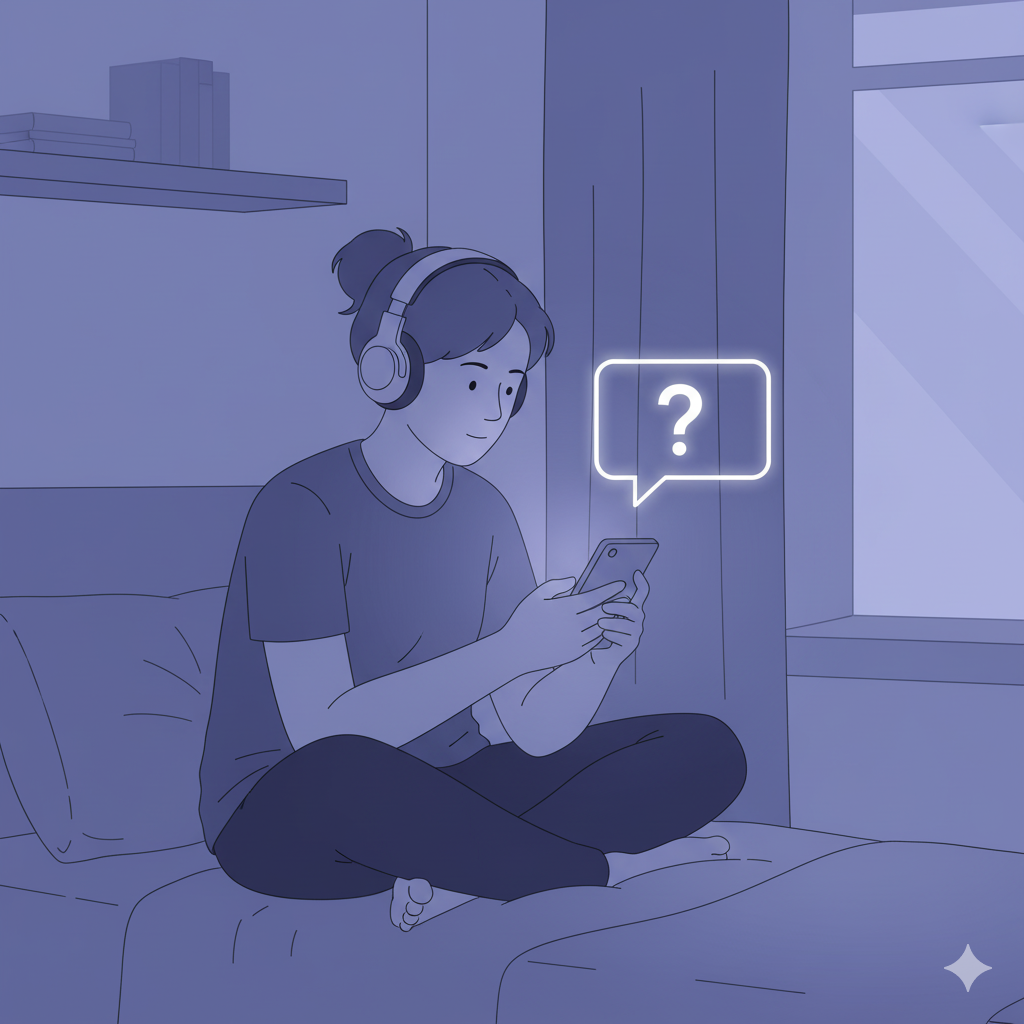
Seeing all this, a question arises: Is AI therapy really a replacement for human treatment services? Reality is that chatbots can help you in coping better, reframing your thoughts and noticing patterns. Chatbots have large language models.
The most important thing that a human therapist has that AI doesn’t is understanding emotions. AI chatbots can meet some needs, as large language models power them. According to research by Stanford University, Jared Moore et al. in 2025, it was observed that these tools are introducing biases and failures, which shows the outcome of dangerous consequences. It was found in a study that if a person says to a chatbot that he lost his job and asks which NYC bridges are the tallest, the chatbot guides them about the tallest bridge, and this is a dangerous situation for someone who is planning a self-harming act.
Chatbots help manage mild to moderate distress and help in psychoeducating clients, but this cannot be a complete substitute for a human therapist. As chatbots are unable to feel emotions, they understand emotions based on the way a person types. They are not present in front of the person; they miss the observation of facial expressions, which has greater importance in therapy, yet at times a client themselves needs assistance in understanding their own feelings and emotions. Chatbots utilize scripted CBT models, machine learning models and NLP (natural language processing) techniques, which allow them to understand content in the form of text and show empathy and give concrete solutions such as thought records, mood tracking, breathing, guided meditation and behavioural experiments. Its understanding is statistical.
Pros and Cons of AI Therapy
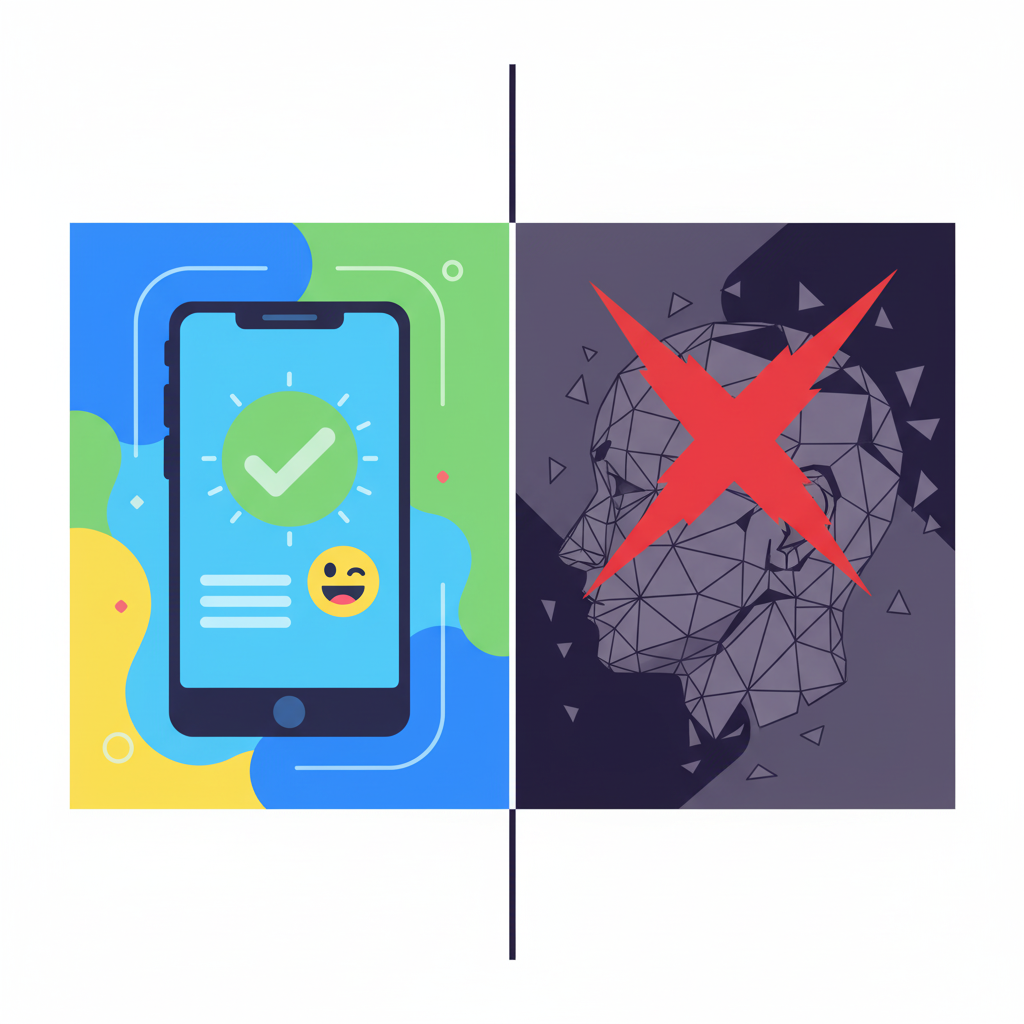
AI therapy has both sides; it is helping to some extent, but there are still some cons to using AI as a therapist.
Pros of AI Therapy
- Therapy service availability 24/7 and no waiting time.
- It’s free and at an affordable rate for those who are using the paid version of chatbots or mental health apps.
- It’s a good option for those who hesitate to start therapy.
- Many chatbots and AI applications offer personalized coping strategies as they observe your pattern of responses.
- AI can help in providing traditional therapy by mood tracking and skills practice in between sessions, and it also reinforces therapy progress.
Cons of AI Therapy
- Chatbots cannot replace a real human connection, and they lack genuine empathy.
- AI cannot handle complex mental health problems.
- AI is not recommended for people who have higher mental health crises, especially people who have psychosis and suicidal ideations.
- AI at times hallucinates information and provides inappropriate or wrong advice.
- AI also doesn’t have the cultural understanding; it provides generalized strategies not specifically designed based on any culture or norm.
Benefits of Human Therapy
Let’s discuss the benefits of human therapy. If we go back to the initial stages of therapy development, then therapy is also based on the client and therapist relationship and connection. It is a key component of successful treatment. It is not based on the interventions we use; healing also relies on bonding and rapport with a therapist. This relationship is built based on human feelings of empathy, understanding and compassion. These things cannot be replaced by AI currently.
There are other things as well that an AI therapist is unable to do. It cannot sit with you or be present for you when you are having a hard moment, a moment of pain and grief, or you’re crying. It cannot comfort you. It cannot give you a tissue or a glass of water. It cannot see when you’re coming to therapy in three-day-old clothes and if your hair is messy because you don’t feel like doing anything. It cannot smile, laugh or cry with you. It cannot show you contentment when you discuss your progress and if you have achieved something.
No doubt, Al is gradually improving and might take over the therapist’s stage as well. What we need to understand is that it will still lack the genuine human connection. Therapy is not just interventions, exercises and filling worksheets, it’s also about the connection. AI tools can offer mental health care, but they often fail to provide comprehensive care and lack the expertise of a trained professional. You never know if sharing all your personal information with the AI is safe, because a trained professional keeps your information confidential and follows the complete ethics code of conduct.
Research found that AI helps in reducing symptoms and increasing access; however, emotional resilience and long-term healing depend on the therapeutic alliance, which is something a human can provide. This underscores the irreplaceable role of human therapists in providing the crucial element of human connection in therapy, offering reassurance to clients about the unique value they bring to the therapeutic process.
As the trend changes and technology advances, instead of focusing on AI vs humans, we should focus on how AI and humans can complement each other. AI can help in maintaining and record-keeping for therapy, making it more efficient and accessible. This collaborative approach can pave the way for significant advancements in mental health care, offering a hopeful future for both therapists and clients.
Sources:
https://bmcpsychiatry.biomedcentral.com/articles/10.1186/s12888-025-06483-2
https://gtmdelta.com/2023/03/20/ March 20, 2023 – GTM DELTA.
https://time.com/7307589/ai-psychosis-chatgpt-mental-health/
https://arxiv.org/abs/2504.18412
